


Your cart is currently empty.


Outdoor Tiles
Outdoor tiles are engineered to handle Australia’s changing weather conditions, bringing together safety, strength and style in every space. From pool surrounds and balconies to verandahs, porches and backyard areas, they deliver long-lasting surfaces that are easy to live with and maintain.
At Ultimate Tiles, we help you choose the right tile options for your project, with expert product advice that aligns with your design vision.
Showing 1–12 of 35 resultsSorted by latest
-
 Floor Tiles
Magic Stone Brown 600x600x10
$39.95 /SQM View Product -

 Floor Tiles
Magic Stone Charcoal 600x600x10
$39.95 /SQM View Product -

 Tiles
Magic Stone Grey 600x600x10
$39.95 /SQM View Product -

 Tiles
Magic Stone Sand 600x600x10
$39.95 /SQM View Product -

 Tiles
Magic Stone White 600x600x10
$39.95 /SQM View Product -
 Floor Tiles
Ardesia Slate Anthracite Grip 300...
$52.90 /SQM View Product -
 Floor Tiles
Court Black External 200X200 (Ct1...
$57.80 /SQM View Product -
 Floor Tiles
Court Grey External 200X200 (Ct14...
$57.80 /SQM View Product -

 Outdoor Tiles
Entiva Ceppo Stone Dark Grey Last...
$103.60 /SQM View Product -
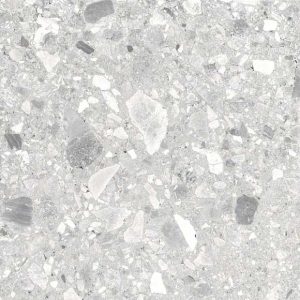
 Outdoor Tiles
Entiva Ceppo Stone Light Grey Las...
$103.60 /SQM View Product -

 Outdoor Tiles
Entiva Ceppo Stone Medium Grey La...
$103.60 /SQM View Product -
 Floor Tiles
Kempsey Grey Easy Care Alfresco 3...
$37.95 /SQM View Product
Outdoor Tile Types for Patios, Pools and More
- Patios & Alfresco: For entertaining zones and home surroundings, opt for floor tiles with a P4 slip rating or higher. Grip or matte surface finish improves safety underfoot, while larger tile formats reduce grout maintenance. Extending tiles from the living room outdoors creates a seamless indoor–outdoor flow.
- Pool Areas & Swimming Pools: Around water, safety comes first. Use P5 slip ratings, lighter colours that stay cooler in the sun, and dedicated pool copings for edges. Pairing with pool mosaics tiles ensures a crisp, low-maintenance finish for busy pool surrounds.
- Paths, Decks & Driveways: High foot traffic requires tougher options. 20 mm porcelain pavers or structured concrete tiles withstand load and abrasion, while deck tiles provide grip and durability in raised areas.
- Balconies & Rooftops: Weight and drainage are key in elevated spaces. Balcony tiles should be lightweight and durable, with low water absorption to prevent damage over time. Porcelain tiles are a reliable choice, while concrete tiles provide extra strength for high-traffic rooftop areas.
- Porches & Verandahs: Covered areas like porch tiles and verandah tiles can often use P3–P4 slip ratings, but exposed edges still need extra grip. Stone look tiles are a practical option here, combining durability with a natural finish. Choosing textured surfaces and neat tile grout joints helps maintain both safety and appearance in these semi-sheltered spaces.
From pool tiles to driveway pavers, outdoor tiles ensure every part of the home combines performance, safety and a cohesive design flow.

Materials, Looks and Finishes
The choice of material and finish influences how outdoor tiles perform in different conditions, as well as the look they bring to patios, courtyards and entertaining areas.
Popular Outdoor Tile Materials and Styles:

Porcelain Tiles
Vitrified, low water absorption and highly weather resistant, making them practical for high foot traffic and easy upkeep.

Stone Tiles
Travertine, bluestone or granite with natural variation and a premium finish; sealing is recommended to protect against stains and weather exposure.

Concrete Tiles
A bold, contemporary choice that works well in courtyards, driveways and large alfresco spaces.

Subway Tiles
A classic wall tile option for covered alfresco splashbacks and features when outdoor-rated.

Surface Finishes and Formats
- Matt or grip textures provide reliable traction, making them ideal for patios and pool surrounds.
- Structured or brushed finishes add grip in exposed areas, while honed surfaces deliver a smoother, more design-led look for covered spaces.
- Choosing the right tile size, from versatile 300×600 to larger formats, reduces grout joints and keeps outdoor spaces looking clean and cohesive.
By pairing the right material with the right finish and size, outdoor tiles achieve a balance of safety, durability and design that lasts for years to come.
Safety First, Slip Resistance Made Simple
Outdoor conditions bring water, dirt and debris into play, so choosing the right slip rating is essential:

P5 – Pool Areas, Steps and Ramps
Pool tiles, mosaics and porcelain pavers deliver maximum grip and safety in wet zones.

P4+ – Exposed Patios and Paths
Stone tiles or concrete tiles provide the resilience and traction needed for everyday foot traffic.

P3–P4 – Covered Alfresco Spaces
Outdoor-rated subway tiles or pattern tiles add style while maintaining reliable slip performance.
To maintain grip long term, keep surfaces clean of contaminants and reseal natural stone where needed. With the right care, and a tailored Design Consultation where needed, outdoor tiles from Ultimate Tiles continue to perform safely while enhancing the look of your home.
Built for Australian Weather
Outdoor tiles need to stand up to heat, rain and temperature fluctuations. Porcelain manages expansion, UV and frost, while stone may need sealing near coastlines or pool areas. A few key install details make a lasting difference:
- Drainage and direct water falls away from the house.
- Movement joints on larger surface areas to handle expansion.
- Correct adhesives to prevent glue residue showing through or staining.
For complex renovation projects, including adjoining laundry projects, our team can align tile selection, tile size and finishes from our product range through a personalised Design Consultation.

Outdoor Tiles FAQs
Can you mix different outdoor tiles in one project (e.g. combining stone look with concrete or mosaics?
Yes, if you plan the transitions. Keep Tile Types consistent in weather resistance and thickness, align tile style to a single palette, and maintain level changes with trims or copings. Use one grout width and a coordinated colour for visual flow. A common approach in backyard entertainment areas is stone-look porcelain on the patio, concrete pavers on paths, and a mosaic feature, balanced for both design coherence and user experience.
Can outdoor tiles go over concrete, pavers or decking, and when should I avoid it?
Over concrete is fine if it’s sound, dry, and has correct falls; prime and use exterior adhesive. Over old pavers, only if they’re rigid, level and well-bedded, otherwise use 20 mm porcelain on gravel or pedestal systems. Avoid tiling directly over timber decking; use a compliant substrate or a pedestal/paver setup.
Do natural stone outdoor tiles change colour over time (patina, fading)?
They can. Sun, water and salts gradually create patina; some stones may lighten, others deepen. Near pools or coastlines, colour change can accelerate without sealing. If you want a stable tone with higher weather resistance, choose a stone-look porcelain instead. Otherwise, seal on schedule, rinse tannins/leaves promptly, and accept patina as part of the stone’s character.
How do freezing and thawing affect outdoor tiles in winter?
Freeze–thaw cycles stress any tile that absorbs water. Porcelain (very low absorption) generally performs best; dense stones fare well when sealed and detailed correctly. Key protections: set correct falls for drainage, allow movement joints, and use exterior-rated adhesives/grouts. In frost-prone zones, prioritise tiles with proven weather resistance and avoid moisture traps under the installation.
Does grout colour affect outdoor tile maintenance or appearance?
Yes. Light grout looks crisp but shows dirt and algae faster; dark tones hide stains but can visually “grid” small formats. Mid-tones often minimise upkeep and keep focus on the tile.
For outdoors, choose exterior-rated grout (polymer-modified or epoxy) and test a small board wet and dry—right colour = better user experience over time.
Do outdoor tiles add value to a property?
Quality outdoor tiling can lift property value by extending usable living space and reducing long-term maintenance. Buyers respond to coherent tile style across zones (patio, paths, pool surrounds) and materials with strong weather resistance. Well-detailed, easy-care surfaces in backyard entertainment areas tend to photograph and appraise better.
Can I cut outdoor tiles myself, or do I need a professional?
You can, but choose the right tools for your project needs. Thick porcelain and stone usually require a wet saw with a diamond blade; manual Tile Cutters are limited on dense, 20 mm or textured tiles. Use PPE, plan edge finishing, and practice on a spare. For complex layouts or copings/mitres, a professional installer will save time, and wasted tiles.